



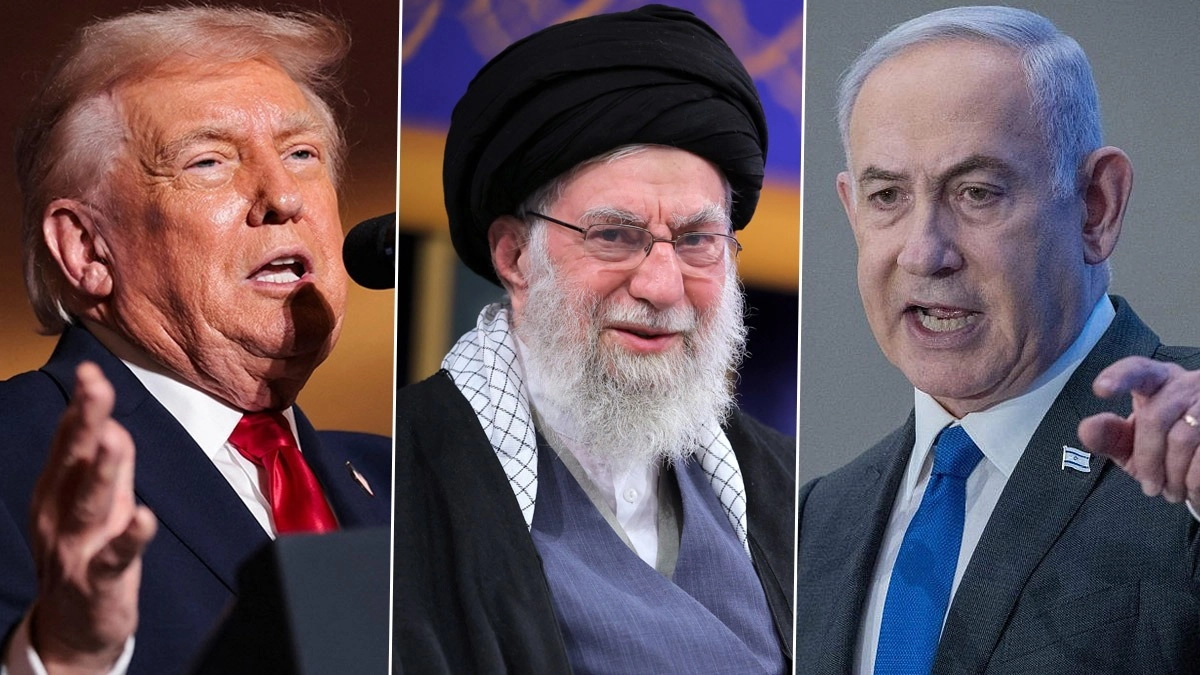
In a momentous and highly volatile escalation, the United States and Israel have launched coordinated military strikes on Iran, marking one of the most significant confrontations in the Middle East in recent years. The offensive has sparked immediate retaliation from Tehran, with explosions reported in Iran and missile activity targeting Israeli and US interests across the region. The Guardian+1
Joint Offensive: Operation Begins
On February 28, 2026, Israeli and US forces initiated a series of air and missile strikes deep inside Iranian territory. The coordinated assault, described by Israel as a pre-emptive measure against threats posed by Tehran’s nuclear and missile programmes, targeted key military, intelligence, and government infrastructure in Tehran and other cities. Reuters
Israeli authorities reported explosions in Iran’s capital and across strategic locations, prompting sirens, road closures, and widespread alarms. Iran’s airspace and critical installations, including sites linked to leadership and defence systems, were among those struck. The Guardian
High-Level Targets and Civilian Impact
Israeli Prime Minister Benjamin Netanyahu claimed there were indications that Iran’s Supreme Leader Ayatollah Ali Khamenei might have been killed or that his secure compound was heavily damaged, though Tehran has denied the reports and insists its leadership remains safe. The Guardian
Reports also emerged of tragic civilian casualties: a strike on a primary school in Minab, southern Iran reportedly killed more than 100 people, mostly schoolgirls, with dozens more injured, according to local authorities and emergency responders. The broader impact included further civilian deaths and injuries in residential areas affected by the strikes. Financial Times
Iran’s Immediate Retaliation
Iran vowed a “decisive response” following the attacks, with its Islamic Revolutionary Guard Corps and military forces launching missiles and drone strikes toward Israeli territory and US bases in nearby countries. Explosions were reported in Israel, Bahrain, Kuwait, Qatar, and other Gulf states. The Guardian
Tehran’s foreign ministry condemned the strikes as a breach of international law and called for an emergency United Nations Security Council meeting, accusing Washington and Tel Aviv of undermining diplomatic efforts that were ongoing before the attack. The Washington Post
Wider Regional Instability
The conflict has reverberated throughout the Middle East:
-
Airspace closures and suspended flights disrupted travel across Iran, Iraq, and the UAE. The Guardian
-
Civilian evacuations and panic were reported as residents in major cities sought safety. Financial Times
-
International reactions varied, with some nations condemning the attacks and others urging restraint and diplomacy. Al Jazeera
Analysts warn the conflict could widen further, with the potential for additional missile exchanges, proxy escalations, and long-term instability in a region already burdened by decades of tension.
Global and Diplomatic Fallout
The United Nations Security Council convened an emergency session, and world leaders called for de-escalation after the military offensive began. Many countries expressed concern over the humanitarian impact and the risk that the violence could spiral into a broader war. The Guardian
With the situation still developing, governments and international organisations are closely monitoring events and urging all parties to seek diplomatic avenues to prevent further bloodshed.