



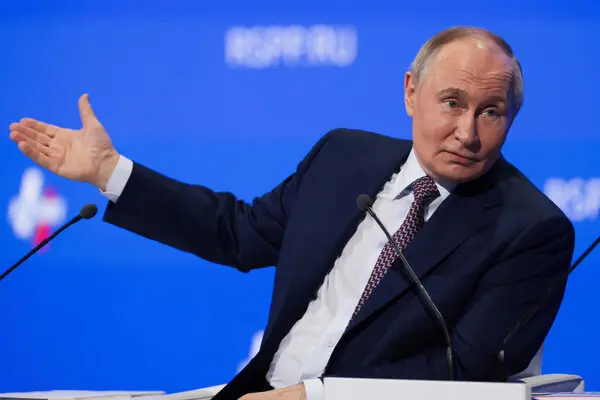
In a high-stakes phone call that could redefine the geopolitical landscape, Russian President Vladimir Putin edged closer to his strategic goal of repairing ties with the U.S. while simultaneously driving a wedge between Washington and its European allies. However, his concessions to former President Donald Trump’s peace efforts in Ukraine remained minimal—giving Putin the upper hand in diplomatic maneuvering.
Before the call, the U.S. was pushing for a 30-day ceasefire, which Ukraine had already agreed to in principle. Instead, Putin only agreed to a limited ceasefire—pausing attacks on energy facilities for a month—while keeping his military offensive active on the ground. The narrow agreement left Trump with something to showcase as a step toward peace, but analysts suggest Putin walked away with the real advantage.
Strategic Gains for Russia
By halting Ukraine’s strikes on Russia’s lucrative oil infrastructure while continuing his ground campaign, Putin effectively secured a win without conceding much. Despite Trump’s attempts to frame the discussion as a breakthrough, experts argue that Putin has merely dangled the illusion of peace while keeping full control over the battlefield.
“This is a classic Putin move—appearing cooperative while continuing to press forward with his military objectives,” said Russia analyst Nigel Gould-Davies. “He’s playing a long game, while Trump is grasping for quick wins.”
Dividing the West?
Perhaps more concerning for European allies is that Putin and Trump agreed to continue negotiations in a “bilateral format,” excluding Ukraine and NATO members from future talks. This signals a potential shift in U.S. foreign policy under Trump, one that could leave Europe scrambling to assert itself in the conflict.
While the White House called the phone call a “successful step toward a broader ceasefire,” others see it as a win for Moscow. “Putin is achieving what he always wanted—bringing the U.S. to the table on his terms and sidelining European influence,” said political analyst Tatiana Stanovaya.
Ukraine’s Response: “Smoke and Mirrors”
Ukraine, while open to a halt in energy strikes, expressed skepticism about the sincerity of Putin’s offer. Within hours of the call, accusations of new attacks were already surfacing, raising doubts about the viability of the limited truce.
“This is not a real ceasefire—it’s selective and vague,” said former Russian Foreign Minister Andrei Kozyrev. “Putin gave up nothing and continues to dictate the terms of war.”
As the world watches this latest geopolitical chess move, the question remains—did Trump secure a real step toward peace, or did Putin simply outmaneuver him once again?