



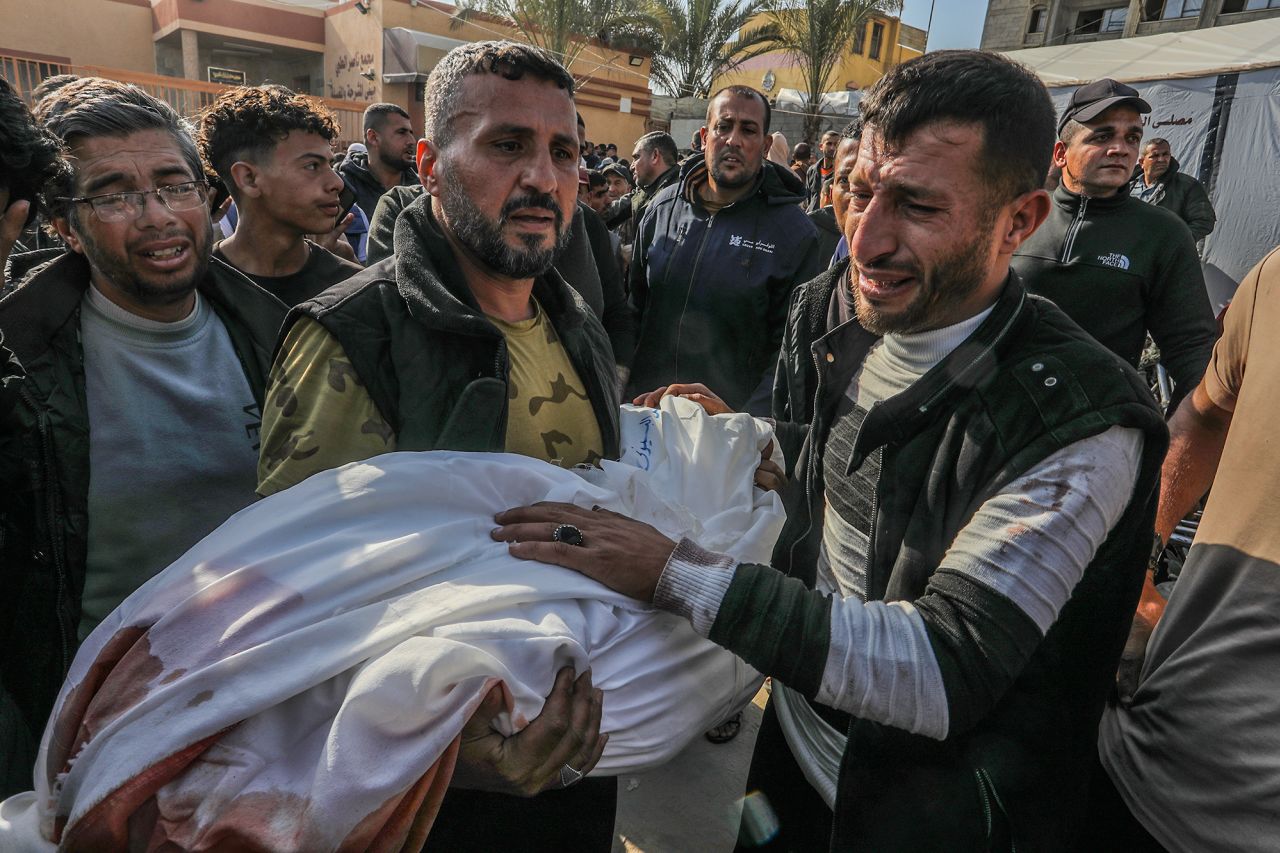
The fragile ceasefire between Israel and Hamas appears to have crumbled as Israeli airstrikes pounded the Gaza Strip, killing more than 400 people, according to Palestinian health officials. The renewed military offensive follows Israel’s vow to intensify its efforts to free hostages still held by Hamas, escalating tensions across the region.
Ceasefire in Jeopardy
Hamas, which still holds 59 hostages from its October 7, 2023, attack on Israel, has accused the Israeli government of violating the ceasefire terms and jeopardizing negotiations for a permanent truce. In response, Israeli Prime Minister Benjamin Netanyahu ordered the military to take “strong action” against Hamas for refusing to release the remaining hostages and rejecting ceasefire proposals.
Egypt, a key mediator in the ceasefire negotiations, has urged restraint and called for renewed efforts toward a lasting peace agreement. However, the situation on the ground suggests an intensification of hostilities.
Gaza Under Fire
Airstrikes targeted residential areas, including tent encampments sheltering displaced civilians. Tanks also shelled regions along the eastern and southern borders of the enclave, forcing many families to flee once again. Hospitals, already strained from 15 months of bombardment, are overwhelmed with casualties. Gaza’s health ministry reported 404 deaths, including children, and 562 injuries.
“It was a night of hell,” said 65-year-old Gaza resident Rabiha Jamal. “We thought the war was over, but it has returned.”
Israeli military officials stated that the airstrikes targeted Hamas strongholds and would continue as long as necessary. The scope of the assault has fueled fears of a return to full-scale ground operations.
International Reaction and Rising Tensions
The United Nations human rights chief, Volker Turk, condemned the renewed bombardment, warning that it would “only heap further misery upon a Palestinian population already suffering catastrophic conditions.” The humanitarian crisis in Gaza has worsened, with Israel halting aid deliveries for over two weeks.
Meanwhile, Israeli authorities have begun opening shelters in Tel Aviv in anticipation of potential retaliatory attacks from Hamas or allied groups in Yemen. The escalation also comes amid increasing hostilities involving Lebanon, Yemen, and Iraq, further complicating efforts to contain the conflict.
Hostages and High-Stakes Diplomacy
The recent Israeli strikes follow stalled negotiations aimed at extending the ceasefire agreed upon in January. Hamas remains firm in its demand for a permanent end to hostilities and a complete Israeli withdrawal from Gaza, conditions Israel has refused.
Despite mediation efforts, violence continues to escalate. The latest assault resulted in the deaths of several senior Hamas officials, including Mohammad Al-Jmasi and members of his family. A White House spokesperson confirmed that Israel had consulted with the U.S. before carrying out the strikes, arguing that Hamas had the opportunity to extend the ceasefire by releasing hostages but chose war instead.
With the situation deteriorating rapidly, the next steps in diplomatic negotiations remain uncertain. As the humanitarian crisis deepens and casualties mount, the world watches to see whether efforts for a lasting truce can still be salvaged.
Stay with Pulse Glance for ongoing updates on this developing crisis.