



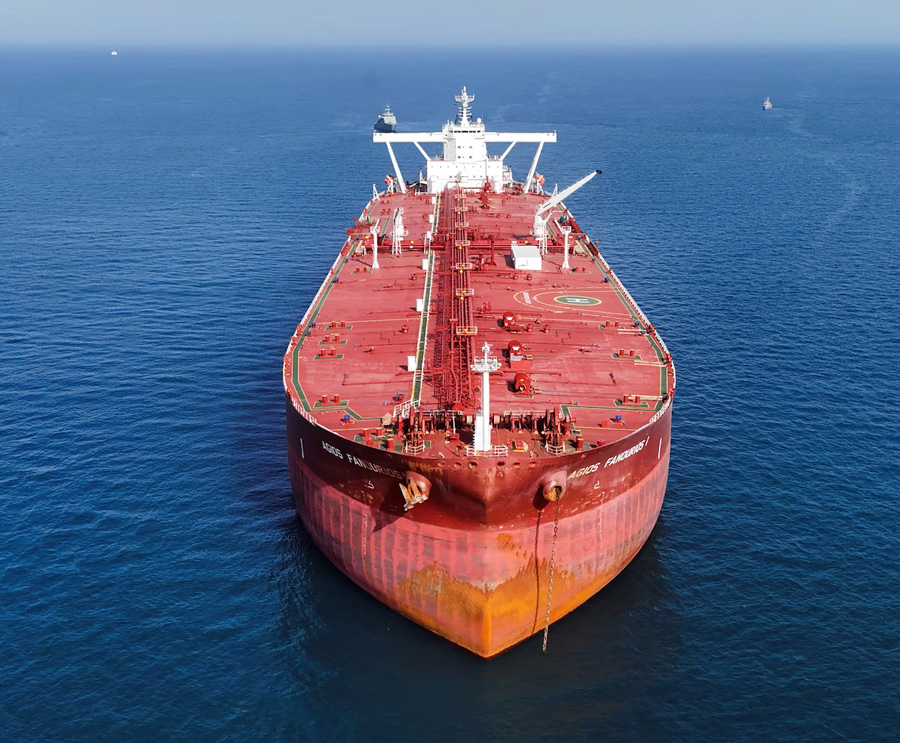
Iran is reportedly strengthening its control over the strategically vital Strait of Hormuz through a growing network of island checkpoints, vessel inspections, diplomatic arrangements, and selective passage approvals, according to a detailed Reuters investigation. Reuters+1
The move comes amid continuing tensions involving Iran, the United States, and Israel, with the strait remaining at the center of a wider geopolitical struggle over global energy supplies and regional influence.
A New Shipping System Emerges
Reuters reported that Iran has effectively established a multi-layered mechanism for ships seeking passage through Hormuz, a narrow waterway through which roughly 20% of the world’s oil supply normally passes. Reuters+1
The system reportedly involves:
-
Government-to-government shipping agreements
-
Security inspections by Iranian forces
-
“Affiliation checks” for ties to the US or Israel
-
Navigation routes controlled by Iranian authorities
-
In some cases, payment of security or navigation fees BOE Report+1
Several sources told Reuters that some vessels outside formal diplomatic agreements have reportedly paid up to $150,000 for safe passage. BOE Report
IRGC Playing Central Role
The powerful Islamic Revolutionary Guard Corps (IRGC) is said to be heavily involved in the process.
Ship owners reportedly undergo detailed vetting procedures, providing information about:
-
Cargo origin and destination
-
Ownership and management details
-
Crew nationalities
-
Links to Western countries or Israel BOE Report
Sources said vessels connected to countries considered friendly to Tehran — including China and Russia — receive easier access, while Western-linked ships face stricter scrutiny. Reuters+1
Shipping Delays and Global Energy Concerns
The tightening control has significantly disrupted global maritime traffic.
By early May, approximately 1,500 vessels carrying about 22,500 sailors were reportedly stranded in the Gulf due to the evolving restrictions and security risks. BOE Report
Before the recent conflict escalation, around 120 to 140 ships crossed the strait daily. Reuters reported that between April 18 and May 6, fewer than 60 vessels managed to transit the waterway. BOE Report
Energy analysts warn that prolonged disruptions could continue to:
-
Push global oil prices higher
-
Affect shipping insurance costs
-
Increase geopolitical tensions
-
Threaten global energy stability Reuters+1
US and Allies Push Back
The United States has criticized Iran’s growing control mechanism and warned companies against making payments that could violate sanctions.
The US Treasury Department reportedly cautioned firms about the legal risks of dealing with Iranian authorities for passage guarantees. BOE Report
Meanwhile, the US Navy has reportedly imposed its own blockade measures targeting Iranian cargo outside the strait. BOE Report
Diplomatic Efforts Continue
Iran has also said it is working with Oman to establish a framework for long-term maritime security and traffic management in the strait. Reuters
At the same time, negotiations between Washington and Tehran over a broader peace agreement are reportedly continuing, though tensions remain extremely high. Reuters
A Strategic Flashpoint
Analysts say the Strait of Hormuz has effectively become the defining battleground in the broader confrontation between Iran and the West.
With energy supplies, military deployments, and global trade routes at stake, the situation is increasingly being viewed as one of the most dangerous geopolitical crises in recent years.